


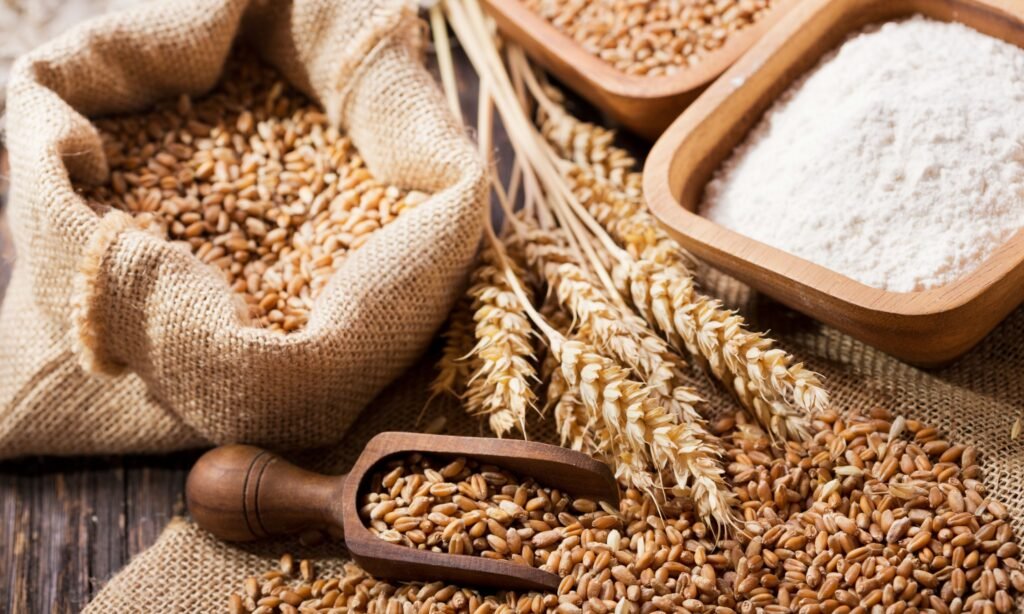
Introduction to the Global Wheat Market 2025–2030
Wheat has been at the heart of human civilization for thousands of years. From ancient Mesopotamian bread to modern-day pasta and noodles, this humble grain remains a staple food for more than 2.5 billion people worldwide. In fact, wheat is the second most-produced grain after corn and is a vital contributor to global food security.
As we look toward the period between 2025 and 2030, the wheat market is set to undergo major transformations. Changing dietary habits, climate pressures, and innovations in farming will all play defining roles. For businesses, investors, and policymakers, understanding these shifts is crucial.
In this article, we’ll explore the latest global wheat market trends, production forecasts, regional analysis, and growth opportunities, while also diving into the challenges that could shape the future of this industry.
Why Wheat Remains the World’s Most Essential Crop
Despite growing interest in alternative grains like quinoa and millet, wheat remains indispensable for three key reasons:
- Affordability – Wheat is one of the cheapest calorie sources globally.
- Versatility – It’s used in bread, pasta, noodles, pastries, biscuits, and even industrial products.
- Nutrition – Wheat provides carbohydrates, protein, and essential micronutrients for billions of people.
The FAO (Food and Agriculture Organization) estimates that wheat accounts for 20% of the world’s calorie and protein intake, making it a backbone of food systems.


Global Wheat Production and Consumption Trends
The global wheat market has always been influenced by a delicate balance between production and consumption. While production depends heavily on weather conditions and farming technology, consumption patterns are tied to demographics, income growth, and dietary changes.
Top Wheat-Producing Countries in 2025 and Their Market Influence
By 2025, the top wheat producers remain:
- China – The largest producer and consumer of wheat.
- India – Rapidly expanding yields due to new farming technologies.
- Russia – Dominant in global wheat exports, often called the “breadbasket of the world.”
- USA & Canada – Key suppliers of high-quality wheat for global trade.
- EU (France, Germany, Poland) – A strong player in the export market.
These countries collectively account for over 70% of global wheat production. Russia and Ukraine, despite geopolitical tensions, continue to influence global prices through their export capacity.
Rising Wheat Demand in Asia, Africa, and the Middle East
Wheat consumption is no longer limited to Western diets. In countries like Nigeria, Egypt, and Indonesia, rising urbanization and population growth have fueled demand for wheat-based products such as noodles, pasta, and bread.
According to the OECD-FAO Agricultural Outlook 2025, wheat consumption in Africa and Asia is expected to grow by 20% by 2030, making these regions hotspots for demand growth.
How Climate Change Is Impacting Global Wheat Yields
Climate variability poses the greatest risk to wheat production. Frequent droughts, heatwaves, and unpredictable rainfall have already cut yields in major producing regions. For instance:
- Australia’s wheat production fell 25% in 2019 due to drought.
- Rising temperatures in India could reduce wheat yields by 6–8% by 2030.
On the flip side, advances in climate-resilient seed varieties and digital farming solutions are helping farmers adapt.
Wheat Market Forecast: 2025–2030 Outlook
The wheat market between 2025 and 2030 will be shaped by a combination of economic, technological, and environmental factors.
Price Projections and Trade Flow Predictions
- Global wheat prices are expected to remain volatile due to climate risks and geopolitical tensions.
- However, demand-driven growth could keep average prices slightly higher than the 2020–2024 period.
- Countries like Russia, Canada, and Australia will dominate exports, while Asia and Africa drive imports.
Technological Innovations in Wheat Farming and Supply Chains
Modern agriculture is rapidly transforming wheat production:
- Precision farming – Sensors, drones, and satellite imagery optimize irrigation and fertilizer use.
- Genetic improvements – Drought- and pest-resistant wheat varieties reduce risks.
- Blockchain supply chains – Improve traceability, reduce fraud, and build consumer trust.
These innovations will not only increase yields but also enhance sustainability in the global wheat market.
Policy and Trade Agreements That Could Reshape the Wheat Market
Trade policies play a decisive role in wheat exports. For example:
- EU agricultural reforms emphasize sustainability, potentially limiting exports.
- India’s export bans (during domestic shortages) cause ripple effects globally.
- US-China trade relations significantly influence wheat flows across Asia-Pacific.
Regional Analysis of Wheat Market Growth
Europe’s Role in the Global Wheat Export Market
Europe remains a powerhouse in wheat production, especially France and Germany, known for high-quality milling wheat. By 2030, Europe’s focus will be on sustainable farming practices, such as reducing pesticide use and carbon footprints.
North America’s Wheat Production Outlook to 2030
The United States and Canada are forecasted to increase exports by adopting AI-driven agriculture and drought-resistant seed varieties. Their strong infrastructure makes them reliable global suppliers.
Emerging Opportunities in Developing Economies
Africa and South Asia are net importers of wheat. Rising incomes and population growth mean their dependence on imports will double by 2030, creating opportunities for exporters.
Factors Driving the Global Wheat Market
Population Growth and Rising Demand for Food Security
By 2030, the global population is expected to reach 8.5 billion, fueling demand for wheat as a cheap and reliable food source. Governments are prioritizing food security programs, making wheat a strategic commodity.
Expansion of Plant-Based Foods and Wheat-Based Products
The global shift towards plant-based diets is boosting demand for wheat-based meat substitutes, high-protein wheat flour, and health-focused products. This trend adds an extra layer of demand beyond traditional consumption.
The Impact of Biofuel and Alternative Uses of Wheat
Wheat isn’t just for food. Countries are experimenting with using wheat as a biofuel source. While this remains limited compared to corn, it may expand if energy demands rise.
Challenges Facing the Wheat Market
Droughts, Soil Degradation, and Climate Uncertainty
Wheat is highly sensitive to temperature changes. Rising CO2 levels may boost growth in some regions but devastate others. Soil fertility decline in Asia and Africa is also a pressing concern.
Trade Disruptions, Supply Chain Risks, and Price Volatility
Events like the Russia-Ukraine war, pandemics, or export bans have shown how fragile global wheat supply chains are. A single disruption can lead to global price spikes, hurting import-dependent nations.


Future Opportunities and Strategic Insights
Investment Opportunities in the Wheat Value Chain
The wheat value chain—from farming to logistics to food processing—offers multiple investment opportunities:
- Agri-tech startups developing smart irrigation systems.
- Logistics companies improving wheat storage and distribution.
- Food companies launching premium wheat-based health products.
How Farmers and Businesses Can Adapt to Market Shifts
- Adopt climate-resilient seeds.
- Use precision agriculture for efficiency.
- Diversify into value-added wheat products like organic and gluten-free flours.
Sustainability and Innovation as Growth Drivers
Sustainability is no longer optional. Companies investing in low-carbon farming, water conservation, and regenerative agriculture will gain a competitive edge.
Conclusion: What the Future Holds for the Global Wheat Market
The global wheat market between 2025 and 2030 will be defined by climate resilience, technological adoption, and shifting trade dynamics. While challenges such as drought and price volatility persist, opportunities in emerging economies, plant-based food markets, and sustainable farming offer a bright future.
For policymakers, businesses, and investors, staying ahead in the wheat market will require adaptability, innovation, and long-term vision.


FAQs:
1. What are the key trends shaping the global wheat market between 2025 and 2030?
The main trends include growing wheat demand in Asia and Africa, climate change challenges, price volatility due to trade disruptions, and increasing adoption of precision agriculture and climate-resilient seed varieties.
2. Which countries will dominate wheat production and exports by 2030?
Russia, the United States, Canada, India, and the European Union will remain the top wheat producers. Russia, Canada, and the US are expected to dominate wheat exports, while Asia and Africa will lead in consumption growth.
3. How will climate change affect global wheat yields?
Climate change poses risks such as droughts, heatwaves, and unpredictable rainfall, which can reduce yields. However, advances in seed technology, irrigation systems, and sustainable farming practices may offset some negative effects.
4. What role will technology play in the future of the wheat market?
Technologies like precision farming, AI-driven crop monitoring, blockchain supply chains, and climate-resilient seeds will improve yield efficiency, reduce waste, and enhance traceability in wheat trade.
5. Is wheat demand expected to increase by 2030?
Yes. Global wheat demand is projected to rise steadily, driven by population growth, food security needs, and the expansion of wheat-based products such as pasta, bread, noodles, and plant-based protein alternatives.